Storing Research Peptides In Laboratories
Handling, Saving, And Traveling With Injectable Peptides: A Comprehen Exposure to wetness can cause hydrolytic destruction and aggregation. The oxidation of Methionine producing the sulfoxide may be the primary reason for losing the peptide task. The best means is to replace the Methionine with its stable isostere Nle. Moisture can quicken deterioration by Visit this website enabling water molecules to sever the fragile peptide bonds in a procedure called hydrolysis. A lot of the peptides require to be cooled at 2 ° C to 8 ° C( 35 ° F to 46 ° F) [1] This low secure temperature level is very important to maintain the helices of the peptides and avoid deterioration. Some vials might have slight vacuum cleaner or interior stress. Peptides are widely made use of across research settings, however their quality and integrity depend heavily on how they are handled. Wrong reconstitution or inadequate technique is among the primary reasons for cloudiness, slow-moving dissolution, contamination, or inconsistent results. To conserve time, you can additionally prefill syringes with your suggested dosages and keep them in the refrigerator for approximately 7 days. This permits convenient and quick accessibility to your medication. • Also room lights accelerate deterioration of Trp-containing series.
Ultra-low Fridge Freezer Needs
Methodically understanding the stability and influencing elements of peptides at space temperature, refrigerator, cold and various other problems can offer clinical assistance for the storage and use of peptide medicines. This not just improves the efficiency of peptide research, but likewise lays the foundation for the development and promo of brand-new medications, and advertises the quicker advancement of the biomedical area. Look for cloudiness, particulates, color changes (particularly yellowing), or clumping in lyophilized material.- IGF-1 peptides like IGF-1 LR3 need acidic reconstitution for ideal security.
- All peptide study items on this site are for research and development make use of just.
- One can figure out the extent ofnon-specific adsorption by moving an option of the analyte sequentiallyfrom one vial to an additional and analyzing a little aliquot after each transfer stepto examine for losses (60 ).
- All peptides gone over are intended for research functions only and are not for human usage.
What negates peptides?
Salicylic acid''s scrubing activity may undercut the peptides, decreasing their skin-repairing advantages. Suggestion: To prevent any kind of interaction, use salicylic acid and peptide products at various times. For instance, incorporate salicylic acid in your early morning regimen and peptides in your evening routine.
For How Long Do Reconstituted Peptides Last?
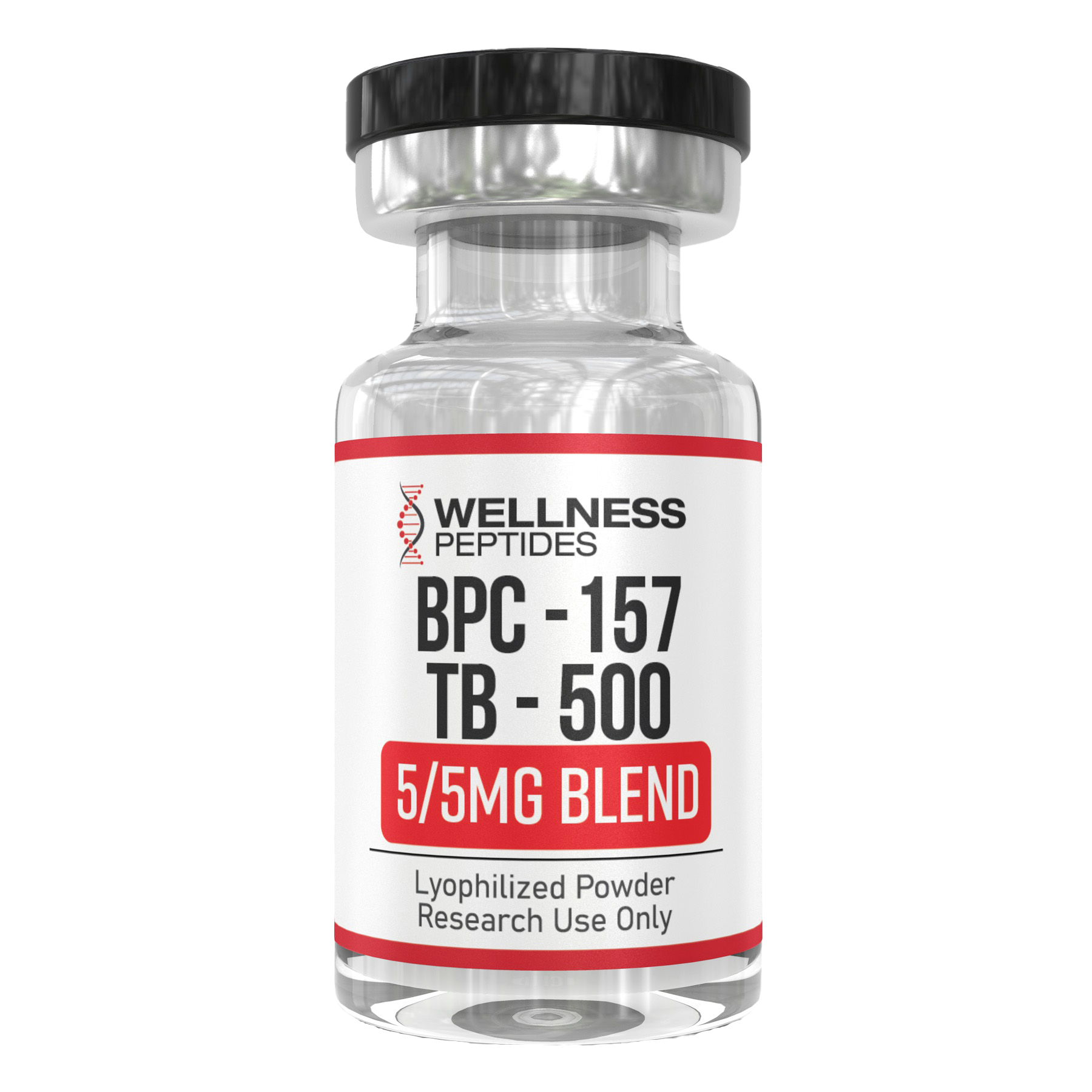
International travel might call for extra personalizeds documents for research study products. Make use of an insulated cooler bag with gel ice bag ranked for 2-- 8 ° C. All PRG items are intended solely for in vitro research or further production use. • Halts microbial development → critical due to the fact that RUO peptides are not Quality Assurance sterilized. • Reduces molecular activity → significantly reduces all degradation paths. UV and noticeable light damages fragrant residues (Trp, Tyr, Phe). Using the stableisotope-labeled internal criterion peptides helps with both of these goals, asdescribed below. Vendors and service laboratories supplying AAA evaluations differ significantly intheir procedures and quality controls (QC). Before choosing an AAAservice service provider, it is strongly advised to understand the operations, standardization, and quality control measures that remain in location. This criticalinformation is summed up in Table 5 anddiscussed in even more information below. Peptide vials are typically used in lab for keeping lyophilized peptides. Nevertheless, incorrect handling-- such as subjecting peptides to dampness, keeping at the wrong temperatures, or recycling pierced vials past their safe duration-- can compromise speculative outcomes.